
Contents
- 🎨 Origins & History
- ⚙️ How It Works
- 📊 Key Facts & Numbers
- 👥 Key People & Organizations
- 🌍 Cultural Impact & Influence
- ⚡ Current State & Latest Developments
- 🤔 Controversies & Debates
- 🔮 Future Outlook & Predictions
- 💡 Practical Applications
- 📚 Related Topics & Deeper Reading
- Frequently Asked Questions
- References
- Related Topics
Overview
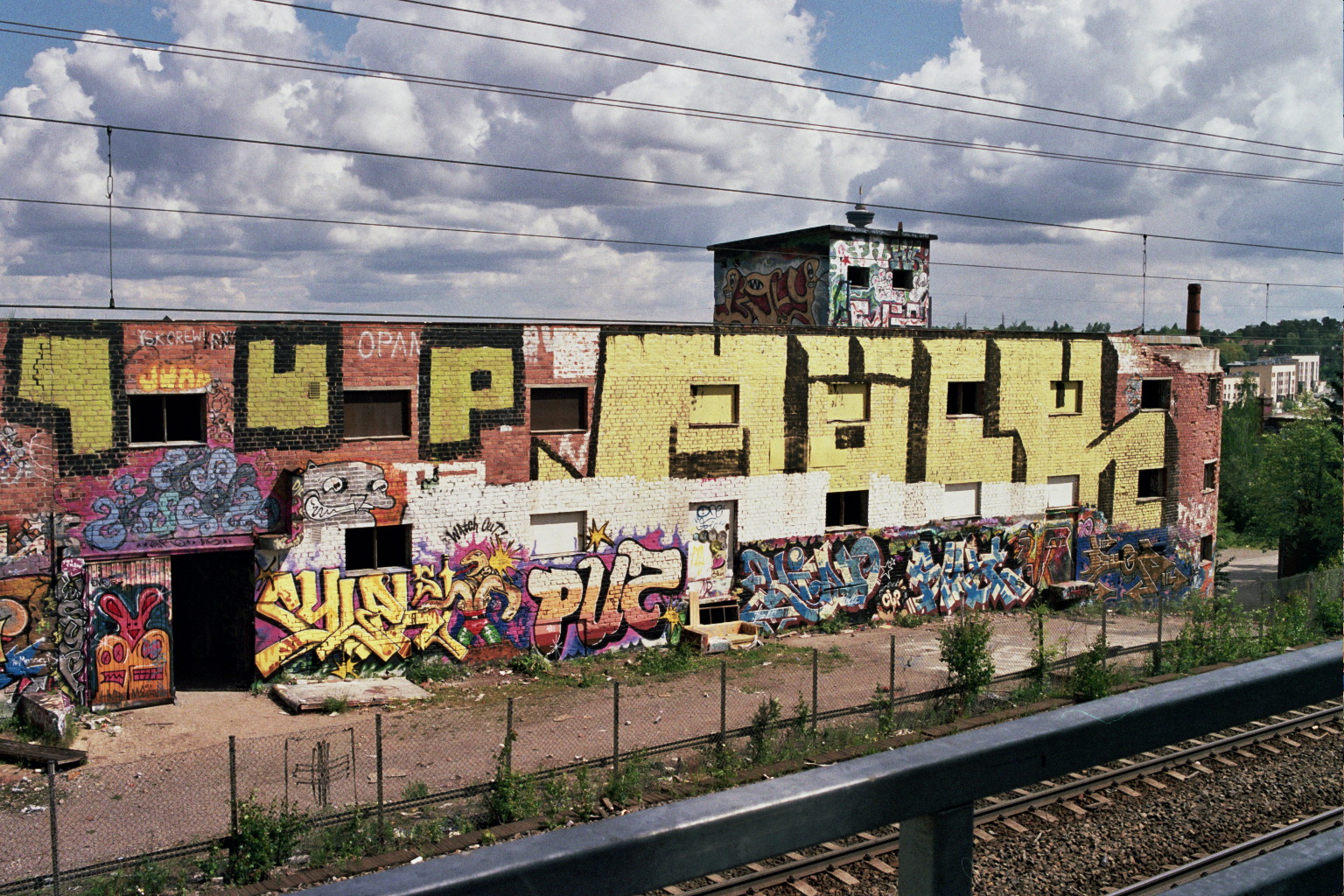
Graffiti art is a multifaceted and often controversial form of street art that involves writing or drawing on surfaces without permission, with a complex interplay between artistic expression, vandalism, and social commentary. With its roots reportedly in urban culture, modern graffiti has spread worldwide, sparking debates about its legitimacy, cultural significance, and impact on urban landscapes. As a distinct form of visual art, graffiti has given rise to a community of artists who specialize in this medium, pushing the boundaries of creativity, technique, and social critique. With a vibe rating of 80, graffiti art continues to captivate audiences, inspire new generations of artists, and challenge traditional notions of art, property, and public space.
🎨 Origins & History
Graffiti art has become a significant part of urban culture, with many cities around the world embracing the art form and providing designated spaces for artists to create. The rise of street art festivals and graffiti conventions has helped to promote the art form, bringing together artists, fans, and collectors from around the world.
⚙️ How It Works
The process of creating graffiti art involves a range of techniques, from stenciling and freehand drawing to spray painting and wheatpasting. Artists often use pseudonyms or tags to sign their work, which can range from simple initials to elaborate logos.
📊 Key Facts & Numbers
Graffiti art has had a profound impact on popular culture, with many artists incorporating elements of graffiti into their work. The use of graffiti in advertising and marketing campaigns has been criticized, with some arguing that it perpetuates the commercialization of street art.
👥 Key People & Organizations
The use of graffiti in public art projects can help to revitalize urban spaces and promote community engagement. Graffiti art has a range of practical applications, from advertising and marketing to urban planning and community development.
🌍 Cultural Impact & Influence
The history of street art provides a fascinating insight into the evolution of the art form, from its roots to its modern-day manifestations. For those interested in learning more about graffiti art, there are a range of related topics and deeper reading paths to explore.
⚡ Current State & Latest Developments
Today, graffiti art continues to evolve and thrive, with many cities around the world embracing the art form and providing designated spaces for artists to create. As seen in the work of various artists, graffiti art can be a powerful tool for social commentary and critique, challenging societal norms and pushing the boundaries of artistic expression.
🤔 Controversies & Debates
Despite its popularity, graffiti art remains a controversial subject, with many viewing it as vandalism rather than art. The use of graffiti in advertising and marketing campaigns has also been criticized, with some arguing that it perpetuates the commercialization of street art.
🔮 Future Outlook & Predictions
As graffiti art continues to evolve and spread, it's likely that we'll see new and innovative forms of the art form emerge. The rise of street art festivals and graffiti conventions has helped to promote the art form, bringing together artists, fans, and collectors from around the world.
💡 Practical Applications
Graffiti art has a range of practical applications, from advertising and marketing to urban planning and community development. The use of graffiti in public art projects can help to revitalize urban spaces and promote community engagement.
Key Facts
- Category
- art-movements
- Type
- topic
Frequently Asked Questions
What is the difference between graffiti and street art?
Graffiti refers specifically to writing or drawing on surfaces without permission, while street art encompasses a broader range of artistic expressions in public spaces.
What are some practical applications of graffiti art?
Graffiti art has a range of practical applications, from advertising and marketing to urban planning and community development.