
Contents
- 🌡️ Introduction to Heat Waves
- 🌍 Global Impact of Heat Waves
- 📈 Rising Temperatures and Climate Change
- 🌟 Extreme Heat Events
- 🌎 Regional Variations in Heat Waves
- 👥 Human Health Impacts of Heat Waves
- 🌪️ Economic Consequences of Heat Waves
- 🔍 Measuring and Predicting Heat Waves
- 🌈 Mitigation and Adaptation Strategies
- 🚨 Heat Wave Warning Systems
- 🌐 Global Cooperation and Response
- Frequently Asked Questions
- Related Topics
Overview
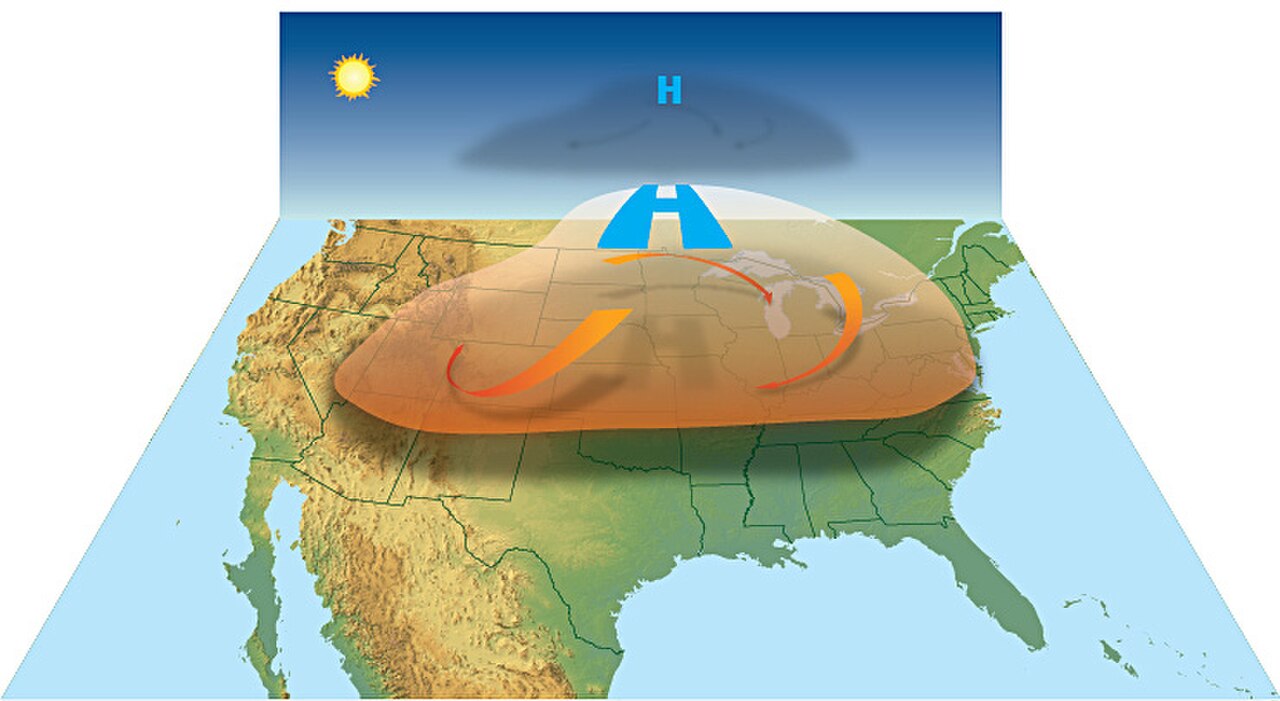
Heat waves are prolonged periods of abnormally high temperatures that can have devastating effects on human health, economies, and the environment. According to the National Oceanic and Atmospheric Administration (NOAA), the number of heat waves has increased by 15% since the 1960s, with the 2019 heat wave in Europe being one of the most severe on record, resulting in over 2,500 deaths. The World Health Organization (WHO) reports that heat stress can cause a range of health problems, from mild heat exhaustion to life-threatening heatstroke, with the elderly, young children, and people with pre-existing medical conditions being most vulnerable. The economic impact of heat waves is also significant, with a study by the University of California, Berkeley estimating that the 2018 heat wave in the United States resulted in losses of over $100 billion. As the planet continues to warm due to climate change, the frequency, duration, and intensity of heat waves are expected to increase, with the IPCC predicting that the number of heat-related deaths will increase by 150% by 2050. The connection between heat waves and climate change is complex, with rising temperatures, changing precipitation patterns, and increased urbanization all contributing to the increased risk of heat waves, making it essential to develop strategies for mitigating and adapting to these events, such as early warning systems, heat-resistant construction, and climate-resilient agriculture.
🌡️ Introduction to Heat Waves
Heat waves, also known as extreme heat, are periods of abnormally hot weather that can last for multiple days, causing heat stress and other health problems. According to the World Health Organization, heat waves are a major public health concern, particularly for vulnerable populations such as the elderly and young children. The main difficulties in defining heat waves arise when trying to quantify what 'normal' temperature is and what the spatial extent of the event may be. For example, temperatures that are considered normal in a hotter climate can be regarded as a heat wave in a cooler area, as seen in the Australian heat wave of 2019. This highlights the importance of understanding the climate change context in which heat waves occur.
🌍 Global Impact of Heat Waves
The global impact of heat waves is significant, with many regions experiencing consecutive days of extreme heat. In 2024, record-breaking temperatures were reported in Europe, North America, and China, with many areas reaching temperatures above 45°C. This increase in frequency and severity of heat waves is a major concern, as it can lead to heat-related illnesses and even death. The World Meteorological Organization has noted that heat waves have become more frequent and intense over land, across almost every area on Earth since the 1950s, with the increase in frequency and duration being caused by climate change. This trend is expected to continue, with IPCC projections indicating that heat waves will become even more frequent and severe in the coming decades.
📈 Rising Temperatures and Climate Change
The rising temperatures and climate change are closely linked to the increasing frequency and severity of heat waves. As the planet warms due to greenhouse gas emissions, the likelihood of extreme heat events increases. This is because the greenhouse effect traps heat in the atmosphere, leading to higher temperatures. The United Nations has recognized the importance of addressing climate change, with the Paris Agreement aiming to limit global warming to well below 2°C above pre-industrial levels. However, more needs to be done to mitigate the effects of climate change and reduce the risk of heat waves, as seen in the California wildfires of 2018.
🌟 Extreme Heat Events
Extreme heat events, such as the 2003 European heat wave, can have devastating consequences, including loss of life, power outages, and water shortages. These events are often characterized by prolonged periods of hot weather, with temperatures remaining above 40°C for several days. The National Weather Service has developed a heat index to measure the severity of heat waves, taking into account both temperature and humidity. This index is used to issue heat warnings and advisories, helping to protect public health and safety.
🌎 Regional Variations in Heat Waves
Regional variations in heat waves are significant, with some areas experiencing more frequent and severe heat waves than others. For example, the Southwestern United States is prone to heat waves due to its hot and dry climate, while the Northeastern United States is more susceptible to cold snaps. The Indian subcontinent is also highly vulnerable to heat waves, with the 2015 Indian heat wave resulting in over 2,500 deaths. Understanding these regional variations is crucial for developing effective heat wave mitigation strategies, as seen in the Heat Wave Action Plan developed by the City of New York.
👥 Human Health Impacts of Heat Waves
The human health impacts of heat waves are significant, with heat stroke and heat exhaustion being major concerns. The Centers for Disease Control and Prevention has developed guidelines for preventing heat-related illnesses, including staying hydrated, staying cool, and avoiding strenuous activities during the hottest part of the day. The American Red Cross also provides tips for staying safe during heat waves, such as checking on vulnerable neighbors and keeping pets cool. However, more needs to be done to protect vulnerable populations, such as the elderly and young children, who are disproportionately affected by heat waves.
🌪️ Economic Consequences of Heat Waves
The economic consequences of heat waves can be significant, with power outages, water shortages, and crop damage being major concerns. The National Oceanic and Atmospheric Administration has estimated that the economic impacts of heat waves can be substantial, with the 2012 US heat wave resulting in losses of over $30 billion. The Federal Emergency Management Agency has developed guidelines for mitigating the economic impacts of heat waves, including providing support for affected businesses and individuals.
🔍 Measuring and Predicting Heat Waves
Measuring and predicting heat waves is crucial for protecting public health and safety. The National Weather Service uses a variety of tools, including weather satellites and weather radar, to monitor and predict heat waves. The University of Maryland has developed a heat wave prediction model that uses machine learning algorithms to predict the likelihood of heat waves. However, more research is needed to improve the accuracy of heat wave predictions and to develop effective heat wave mitigation strategies.
🌈 Mitigation and Adaptation Strategies
Mitigation and adaptation strategies are essential for reducing the impacts of heat waves. The City of New York has developed a Heat Wave Action Plan that includes measures such as providing cooling centers, distributing water, and conducting public outreach and education. The American Society of Civil Engineers has developed guidelines for designing and building heat-resistant infrastructure, such as roads and bridges. However, more needs to be done to address the root causes of heat waves, including climate change.
🚨 Heat Wave Warning Systems
Heat wave warning systems are critical for protecting public health and safety. The National Weather Service issues heat warnings and advisories when heat waves are predicted, providing critical information to the public. The Federal Emergency Management Agency has developed guidelines for developing and implementing heat wave warning systems, including providing training and resources for emergency management officials. However, more needs to be done to improve the effectiveness of heat wave warning systems, including increasing public awareness and education.
🌐 Global Cooperation and Response
Global cooperation and response are essential for addressing the global impacts of heat waves. The United Nations has recognized the importance of addressing heat waves, with the Sustainable Development Goals including targets for reducing the impacts of climate change. The World Meteorological Organization has developed guidelines for mitigating the impacts of heat waves, including providing support for affected countries and developing global heat wave warning systems.
Key Facts
- Year
- 2022
- Origin
- Global
- Category
- Environmental Science
- Type
- Natural Disaster
Frequently Asked Questions
What is a heat wave?
A heat wave is a period of abnormally hot weather that can last for multiple days, causing heat stress and other health problems. Heat waves are usually measured relative to the usual climate in the area and to normal temperatures for the season. The main difficulties with this broad definition emerge when one must quantify what the 'normal' temperature state is, and what the spatial extent of the event may or must be. For example, temperatures that are considered normal in a hotter climate can be regarded as a heat wave in a cooler area, as seen in the Australian heat wave of 2019.
What are the health impacts of heat waves?
The health impacts of heat waves are significant, with heat stroke and heat exhaustion being major concerns. The Centers for Disease Control and Prevention has developed guidelines for preventing heat-related illnesses, including staying hydrated, staying cool, and avoiding strenuous activities during the hottest part of the day. The American Red Cross also provides tips for staying safe during heat waves, such as checking on vulnerable neighbors and keeping pets cool.
How can heat waves be mitigated?
Mitigation and adaptation strategies are essential for reducing the impacts of heat waves. The City of New York has developed a Heat Wave Action Plan that includes measures such as providing cooling centers, distributing water, and conducting public outreach and education. The American Society of Civil Engineers has developed guidelines for designing and building heat-resistant infrastructure, such as roads and bridges.
What is the role of climate change in heat waves?
Climate change plays a significant role in the increasing frequency and severity of heat waves. As the planet warms due to greenhouse gas emissions, the likelihood of extreme heat events increases. The United Nations has recognized the importance of addressing climate change, with the Paris Agreement aiming to limit global warming to well below 2°C above pre-industrial levels.
How can heat wave warning systems be improved?
Heat wave warning systems can be improved by increasing public awareness and education, providing more accurate and timely predictions, and developing more effective response strategies. The National Weather Service issues heat warnings and advisories when heat waves are predicted, providing critical information to the public. The Federal Emergency Management Agency has developed guidelines for developing and implementing heat wave warning systems, including providing training and resources for emergency management officials.
What is the economic impact of heat waves?
The economic impact of heat waves can be significant, with power outages, water shortages, and crop damage being major concerns. The National Oceanic and Atmospheric Administration has estimated that the economic impacts of heat waves can be substantial, with the 2012 US heat wave resulting in losses of over $30 billion.
How can global cooperation and response to heat waves be improved?
Global cooperation and response to heat waves can be improved by increasing international collaboration, providing support for affected countries, and developing global heat wave warning systems. The United Nations has recognized the importance of addressing heat waves, with the Sustainable Development Goals including targets for reducing the impacts of climate change. The World Meteorological Organization has developed guidelines for mitigating the impacts of heat waves, including providing support for affected countries and developing global heat wave warning systems.