
Contents
- 🌎 Introduction to Humanism
- 📚 Historical Roots of Humanism
- 👥 Key Principles of Humanism
- 💡 Humanist Ethics and Morality
- 🌈 Humanism and Religion
- 🤝 Humanism and Social Justice
- 📊 Humanist Approach to Knowledge
- 🚀 Future of Humanism
- 📝 Criticisms and Controversies
- 👍 Humanist Movement and Organizations
- 📚 Influential Humanist Thinkers
- Frequently Asked Questions
- Related Topics
Overview
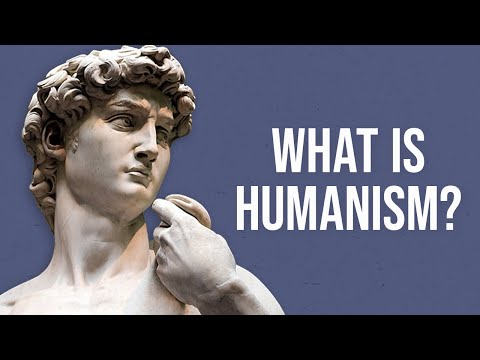
Humanism, with its roots in ancient Greece and Rome, experienced a resurgence during the Renaissance, particularly through figures like Petrarch (1304-1374) and Boccaccio (1313-1375). This movement, characterized by a focus on human agency, dignity, and potential, has evolved over centuries, influencing various fields such as literature, art, and science. The humanist ethos, as seen in the works of Leonardo da Vinci (1452-1519) and Michelangelo (1475-1564), celebrates human curiosity, creativity, and the pursuit of knowledge. However, humanism has also faced criticisms and challenges, including accusations of Eurocentrism and the neglect of non-human entities and the environment. Despite these tensions, humanism continues to shape contemporary discourse, with a vibe score of 82, reflecting its significant cultural energy and enduring influence. As we move forward, it is essential to consider how humanism will adapt to emerging global challenges and technological advancements, potentially redefining what it means to be human in the 21st century.
🌎 Introduction to Humanism
Humanism is a philosophical stance that emphasizes the individual and social potential, and agency of human beings, whom it considers the starting point for serious moral and philosophical inquiry. As a philosophical movement, humanism has its roots in ancient Greece, with philosophers like Socrates and Plato laying the groundwork for humanist thought. The concept of humanism has evolved over time, influenced by various intellectual and cultural movements, including the Renaissance and the Enlightenment. Today, humanism is a diverse and global movement, with many different interpretations and applications. For example, Existentialism and Pragmatism are two philosophical traditions that have been influenced by humanist thought. Humanism has also been influential in shaping modern Secularism and Atheism.
📚 Historical Roots of Humanism
The historical roots of humanism can be traced back to ancient Greece, where philosophers like Aristotle and Epicurus emphasized the importance of human reason and individualism. During the Middle Ages, humanism was influenced by the works of Thomas Aquinas and other scholastic thinkers. The Renaissance saw a resurgence of interest in classical humanism, with thinkers like Leonardo da Vinci and Michel de Montaigne embodying the humanist spirit. The Enlightenment further solidified humanism as a distinct philosophical movement, with thinkers like Immanuel Kant and Jean-Jacques Rousseau making significant contributions to humanist thought. Humanism has also been influenced by other philosophical traditions, such as Stoicism and Hedonism.
👥 Key Principles of Humanism
At its core, humanism is a philosophy that emphasizes the potential and agency of human beings. Humanists believe that humans have the capacity for self-directed action, and that we should strive to realize our full potential as individuals and as a species. This emphasis on human potential is reflected in the humanist commitment to Education and Critical Thinking. Humanists also believe in the importance of Empathy and Compassion, and seek to promote a sense of global citizenship and cooperation. For example, humanists often advocate for Human Rights and Social Justice. Humanism has also been influential in shaping modern Democracy and Liberalism.
💡 Humanist Ethics and Morality
Humanist ethics and morality are centered on the idea that human beings have the capacity for moral agency and should strive to act in ways that promote the well-being and flourishing of all people. Humanists believe that morality is not based on divine command or tradition, but rather on human reason and experience. This approach to ethics is reflected in the humanist commitment to Secularism and the separation of church and state. Humanists also believe in the importance of Personal Responsibility and Individual Freedom, and seek to promote a sense of autonomy and self-directed action. For example, humanists often advocate for Reproductive Rights and LGBTQ Rights. Humanism has also been influential in shaping modern Bioethics and Environmental Ethics.
🌈 Humanism and Religion
Humanism and religion have a complex and often contentious relationship. While some humanists are Atheist or Agnostic, others identify as Spiritual or Religious. Humanists believe that religion should be a matter of personal choice, and that individuals should be free to pursue their own spiritual paths without coercion or discrimination. Humanists also believe in the importance of Interfaith Dialogue and cooperation, and seek to promote a sense of mutual respect and understanding between people of different faiths. For example, humanists often advocate for Church-State Separation and Freedom of Religion. Humanism has also been influential in shaping modern Ecumenism and Interfaith Movement.
📊 Humanist Approach to Knowledge
The humanist approach to knowledge is centered on the idea that human beings have the capacity for rational inquiry and critical thinking. Humanists believe that knowledge should be based on evidence and observation, rather than on tradition or authority. This approach to knowledge is reflected in the humanist commitment to Science and Reason. Humanists also believe in the importance of Education and Critical Thinking, and seek to promote a sense of intellectual curiosity and skepticism. For example, humanists often advocate for Science Education and Media Literacy. Humanism has also been influential in shaping modern Skepticism and Rationalism.
🚀 Future of Humanism
The future of humanism is uncertain, but it is clear that the philosophy will continue to evolve and adapt to changing circumstances. As the world becomes increasingly interconnected and globalized, humanism will play an important role in promoting a sense of global citizenship and cooperation. Humanists will need to navigate complex issues like Climate Change and Economic Inequality, and will need to find ways to promote a sense of shared humanity and common purpose. For example, humanists often advocate for Sustainable Development and Global Governance. Humanism has also been influential in shaping modern Futurism and Transhumanism.
📝 Criticisms and Controversies
Despite its many contributions to modern thought and culture, humanism has also been subject to various criticisms and controversies. Some critics argue that humanism is too focused on the individual, and neglects the importance of community and social responsibility. Others argue that humanism is too secular, and neglects the importance of spirituality and faith. Humanists must navigate these criticisms and controversies, and find ways to promote a sense of inclusivity and diversity within the movement. For example, humanists often advocate for Pluralism and Inclusivity. Humanism has also been influential in shaping modern Postmodernism and Poststructuralism.
👍 Humanist Movement and Organizations
The humanist movement is a diverse and global phenomenon, with many different organizations and institutions working to promote humanist values and principles. Humanist organizations like the American Humanist Association and the International Humanist and Ethical Union play an important role in promoting humanism and advocating for humanist causes. Humanists also participate in a wide range of social and cultural activities, from Art and Literature to Music and Film. For example, humanists often advocate for Freedom of Expression and Cultural Diversity. Humanism has also been influential in shaping modern Cultural Criticism and Social Movement.
📚 Influential Humanist Thinkers
Influential humanist thinkers have made significant contributions to modern thought and culture. Thinkers like John Dewey and Bertrand Russell have helped to shape humanist philosophy and ethics. Other thinkers, like Simone de Beauvoir and Martin Luther King Jr., have applied humanist principles to issues like Feminism and Civil Rights. Humanist thinkers continue to play an important role in shaping modern thought and culture, and will likely remain influential in the years to come. For example, humanists often advocate for Social Progress and Human Rights. Humanism has also been influential in shaping modern Liberalism and Progressivism.
Key Facts
- Year
- 1300
- Origin
- Ancient Greece and Rome, revived during the Italian Renaissance
- Category
- Philosophy
- Type
- Philosophical Movement
Frequently Asked Questions
What is humanism?
Humanism is a philosophical stance that emphasizes the individual and social potential, and agency of human beings, whom it considers the starting point for serious moral and philosophical inquiry. Humanism is a diverse and global movement, with many different interpretations and applications. Humanists believe that humans have the capacity for self-directed action, and that we should strive to realize our full potential as individuals and as a species.
What are the key principles of humanism?
The key principles of humanism include an emphasis on human potential and agency, a commitment to reason and critical thinking, and a belief in the importance of empathy and compassion. Humanists also believe in the importance of education and personal responsibility, and seek to promote a sense of global citizenship and cooperation.
How does humanism relate to religion?
Humanism and religion have a complex and often contentious relationship. While some humanists are atheist or agnostic, others identify as spiritual or religious. Humanists believe that religion should be a matter of personal choice, and that individuals should be free to pursue their own spiritual paths without coercion or discrimination.
What is the humanist approach to knowledge?
The humanist approach to knowledge is centered on the idea that human beings have the capacity for rational inquiry and critical thinking. Humanists believe that knowledge should be based on evidence and observation, rather than on tradition or authority. This approach to knowledge is reflected in the humanist commitment to science and reason.
What is the future of humanism?
The future of humanism is uncertain, but it is clear that the philosophy will continue to evolve and adapt to changing circumstances. As the world becomes increasingly interconnected and globalized, humanism will play an important role in promoting a sense of global citizenship and cooperation. Humanists will need to navigate complex issues like climate change and economic inequality, and will need to find ways to promote a sense of shared humanity and common purpose.
How does humanism relate to social justice?
Humanism and social justice are closely intertwined, as humanists believe that all individuals should have access to the resources and opportunities they need to thrive. Humanists believe in the importance of equality and justice, and seek to promote a sense of global citizenship and cooperation. Humanists also believe in the importance of activism and advocacy, and seek to mobilize people to work towards creating a more just and equitable world.
What is the humanist movement?
The humanist movement is a diverse and global phenomenon, with many different organizations and institutions working to promote humanist values and principles. Humanist organizations like the American Humanist Association and the International Humanist and Ethical Union play an important role in promoting humanism and advocating for humanist causes.