
Summary
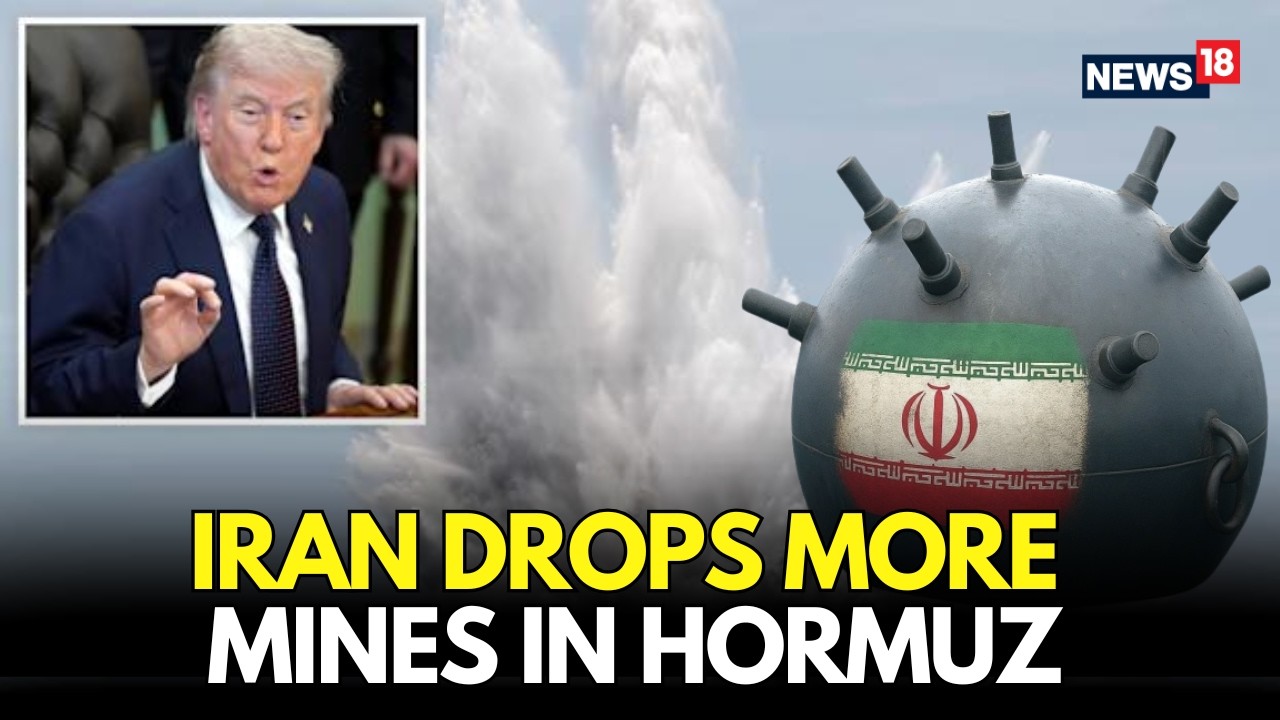
In a **surprising move**, Iran's foreign minister announced on Friday that the **Strait of Hormuz** is "completely open" for all commercial ships. This development has sparked **hopes for a peace deal** between Iran and the US, with the international community watching closely. The **Strait of Hormuz** is a critical waterway for global oil trade, and its closure could have **severe economic consequences**. As the situation unfolds, [[iran|Iran]] and [[united-states|the US]] are engaged in **delicate diplomatic negotiations**. The **International Maritime Organization (IMO)** has welcomed Iran's decision, citing the importance of **maritime security** and **free trade**. However, experts warn that **challenges remain**, including the need for **mutual trust** and **confidence-building measures**. The **European Union** has offered to facilitate talks between Iran and the US, aiming to **de-escalate tensions**. As the world watches, the **fate of the Middle East** hangs in the balance, with **regional stability** and **global economic security** at stake. The **United Nations** has called for **restraint** and **dialogue**, emphasizing the need for a **peaceful resolution**. The situation is complex, with **multiple stakeholders** involved, including [[china|China]], [[russia|Russia]], and **European nations**.
Key Takeaways
- Iran's foreign minister announced that the Strait of Hormuz is 'completely open' for all commercial ships
- The Strait of Hormuz is a critical waterway for global oil trade
- A peace deal between Iran and the US is still uncertain
- The international community should support diplomatic efforts and encourage dialogue
- The situation has significant implications for global economic security and regional stability
Balanced Perspective
The situation is **complex**, and while Iran's decision to open the Strait of Hormuz is a **positive development**, **challenges remain**. The **US** and **Iran** have **deep-seated differences**, and **trust** needs to be **built**. The **international community** should **encourage dialogue** and **support diplomatic efforts**, but **realistic expectations** are necessary. The **region's history** is marked by **conflict**, and **skepticism** is warranted. However, with **patience** and **perseverance**, a **peaceful resolution** can be achieved, and the **region can move forward**. The **role of the international community** will be crucial in **facilitating talks** and **promoting cooperation**.
Optimistic View
The announcement by Iran's foreign minister is a **positive step** towards a peace deal, and the international community should **seize this opportunity** to promote **dialogue** and **cooperation**. The **European Union** can play a crucial role in facilitating talks between Iran and the US, and the **UN** can provide a **neutral platform** for negotiations. With **goodwill** and **compromise**, a **lasting peace** can be achieved, and the **region can prosper**. The **Strait of Hormuz** can become a **symbol of cooperation**, rather than a source of **tension**. As the situation unfolds, [[middle-east|the Middle East]] can become a **beacon of hope** for **peace** and **stability**.
Critical View
The announcement by Iran's foreign minister is **too little, too late**, and the **damage has already been done**. The **US** and **Iran** are **far apart** on key issues, and **a peace deal is unlikely**. The **region is a powder keg**, and **conflict is inevitable**. The **Strait of Hormuz** is a **flashpoint**, and **miscalculations** can lead to **disaster**. The **international community** is **powerless** to stop the **inevitable**, and **war is looming**. The **consequences** will be **catastrophic**, with **global economic instability** and **regional chaos**. As the situation unfolds, [[global-economy|the global economy]] will be **severely impacted**.
Source
Originally reported by The New York Times